
Built by people who've been
in the grow rooms.
Grownetics was founded on a simple frustration: the technology available to commercial CEA operators was too fragile, too fragmented, and too far removed from how cultivation actually works.
We built our products from grow room experience, not a software background. Good growers fighting bad systems. Efficient facilities getting squeezed by rising input costs. That is what Grownetics was built to solve.
A decade of work in the field.
Measured by what it produced.
Grownetics started from a practical problem: commercial operators needed better visibility, better controls, and better decisions than the market was offering. The important part is not the origin story. It is what that work produced.
Over time, that meant moving from grow room frustration to measurable outcomes: higher-resolution mapping, lower energy use, better deployment consistency, and technology that could work across research, greenhouse, indoor, and multi-site operations.
These milestones matter because they show the pattern: Grownetics has been built in the field, refined in active facilities, and proven in environments where reliability, efficiency, and crop performance actually matter.
The best technology disappears
into the operation.
The standard we hold ourselves to is not "feature-rich" but "friction-free." Not "powerful" but "reliable." When the technology is doing its job well, operators stop thinking about systems and start thinking about cultivation.
The grower isn't broken. The system is.
Yield variation is almost always a systems problem: environmental, equipment, or protocol. Not genetics. Not the grower.
Evidence first. Philosophy second.
We lead with specs, data, and concrete claims, not narratives about what cultivation should be.
Vendor lock-in is a design choice, not a requirement.
Open sensor ecosystems, exportable data, and transparent pricing aren't optional. They're how we'd want to buy technology.
Precision at scale isn't a feature. It's survival.
As CEA markets mature, the gap between efficient and inefficient operations determines who's operating in five years.
Technology amplifies expertise. It doesn't replace it.
CropVision and Unity make good growers better. They don't turn untrained staff into cultivators.
If we can't explain the ROI, we don't deserve the sale.
Every Grownetics engagement starts with a clear statement of what it costs, what it returns, and how you'll know it worked.
60+ years of combined experience
in the rooms that matter.
The Grownetics team is a mix of licensed master growers, controls engineers, facility designers, compliance specialists, and systems architects. Not one or the other. All of the above.
Our controls engineers hold UL certifications and have designed panels for commercial agricultural, pharmaceutical, and industrial applications. Our cultivation consultants have run head grower and director roles across CO, CA, and Canadian markets.
Combined, the team brings experience from millions of square feet of commercial cultivation environments across facilities they have deployed, operated, and optimized.
Our US Consulting Lead, JR Loza, is co-authoring the Rule of 10s, the first comprehensive benchmarking framework for CEA operations. Twenty-plus years of cultivation experience across California and Israel, codified into a scoring system the whole industry can use.
Meet the team.
The people behind Grownetics bring decades of hands-on experience across cultivation, compliance, facility design, and plant science.
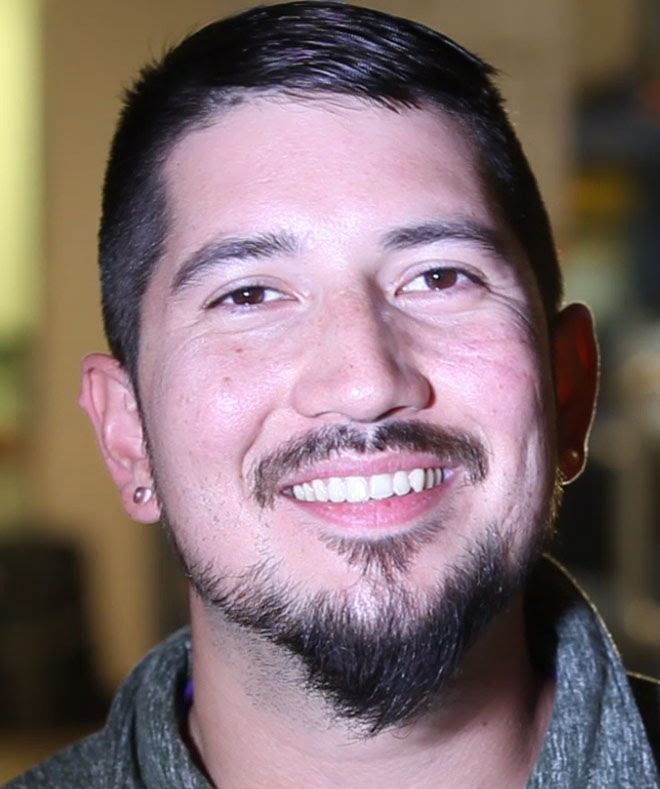
Cultivation facility design, systems integration, and data-driven CEA operations.

Genetic engineering, international GMP certifications, and tissue culture.
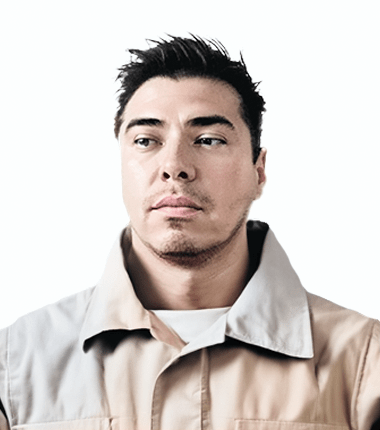
20+ years of commercial cultivation in California. Total Crop Steering.

30+ years in integrative health, cannabinoid medicine, and ethnobotany.
Applied in real commercial environments.
Grownetics technology runs in operating facilities where consistency, efficiency, and crop performance are measured, not assumed.
Multi-facility deployment. CropVision and Unity across rooms, replacing legacy controls with coil-temperature-aware monitoring and tighter recipe execution.
Full CropVision + Unity deployment. 18% yield increase in first cycle.
Monitoring and cultivation consulting. Consistent 3.0+ lbs per light.
Facility design + Unity. Caught three critical airflow issues pre-build.
Full stack deployment across multiple cultivation environments.
Want to know if we are the right fit?
Tell us where your operation is losing consistency, visibility, or performance. We will come with honest answers and a clear next step.