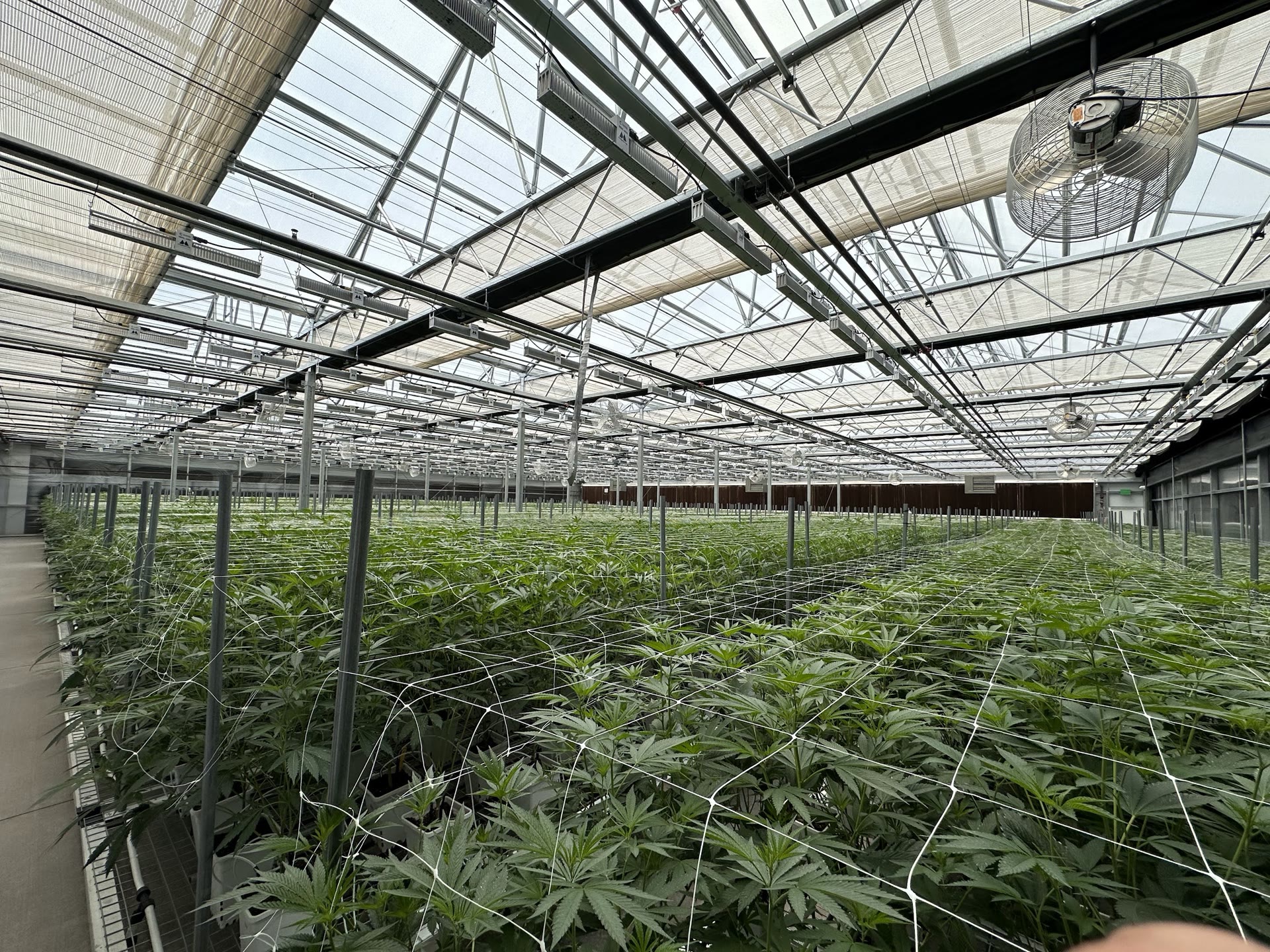
CropVision Metrics Catalog
Other companies sell sensors.
We sell understanding.
This catalog shows exactly what CropVision measures, what each sensor unlocks, and how those measurements translate into crop steering, operating decisions, and business outcomes.
81+
Ways to understand crop performance
7
Intelligence layers across room + root zone
3
Composite indicators for steering direction
Total Crop Steering
The TCS Metrics Matrix
This is not a sensor list. It is a reference for what CropVision helps operators understand across the canopy, the root zone, the room, and the broader steering picture. Filter by category to see how raw measurements become useful intelligence.
| # | Metric | Type | Sensor(s) | Plant Health Impact | Business Impact |
|---|---|---|---|---|---|
| 1-5 | Air Temperature | Direct | T&RH x5 | Drives enzyme activity, photosynthesis rate | 1°C deviation = ~5% yield impact |
| 6-10 | Relative Humidity | Direct | T&RH x5 | Transpiration, stomatal behavior, disease risk | #1 crop loss event (botrytis from high RH) |
| 11 | CO2 Concentration | Direct | CO2 | Direct substrate for photosynthesis | 20-30% yield increase when optimized |
| 12 | Leaf Surface Temperature | Direct | Leaf IR | Direct indicator of transpiration and water balance | Stress detection 2-4 hours before visible symptoms |
| 13 | PPFD at Canopy | Direct | PAR | Light drives photosynthesis (linear to 1,800 umol) | Every 100 umol = ~5-8% yield increase |
| 14-16 | Substrate VWC | Direct | Wet150 x3 | Root zone water availability | Primary lever for quality vs quantity (crop steering) |
| 17-19 | Substrate Pore EC | Direct | Wet150 x3 | Actual nutrient concentration at root zone | EC controls cannabinoid/terpene production |
| 20-22 | Substrate Temperature | Direct | Wet150 x3 | Root activity, aquaporin function | Cold roots = hidden yield limiter (30%+ impact) |
| 23 | Absolute Humidity | Derived | T&RH | Actual moisture content (temp-independent) | 10-15% energy savings on ventilation decisions |
| 24 | Dewpoint | Derived | T&RH | Most direct disease risk indicator | Prevents 15-30% crop losses from condensation |
| 25 | Humidity Deficit | Derived | T&RH | Proportional to transpiration driving force | 15-20% better VPD stability in control logic |
| 26-28 | DLI (Running / Daily / Cumulative) | Derived | PAR | Most fundamental yield predictor | Correlates to yield with R2 > 0.8 after 5 batches |
| 29-30 | Photoperiod Actual / Peak PPFD | Derived | PAR | Schedule verification + fixture health | Catches LED degradation + schedule failures |
| 31-33 | Room Avg Temp / Spread / CV | Multi-Sensor | T&RH x5 | Climate uniformity detection | 3C spread = 15-20% quality variation |
| 34-38 | Spatial Gradients (5 directions) | Multi-Sensor | T&RH x5 | Corner, diagonal, front-back, left-right airflow bias | Fixing asymmetry improves uniformity 20-40% |
| 39-41 | Day Avg / Night Avg / DIF | Multi-Sensor | T&RH x5 | Powerful generative/vegetative steering signal | DIF control = 10-25% yield quality improvement |
| 42-45 | 24h Integral / Pre-Dawn / Ramp Rates | Multi-Sensor | T&RH x5 | Thermal energy tracking + HVAC capacity validation | Pre-dawn dip improves flower density 5-10% |
| 46-49 | Night RH Peak / HD / HD Spread / Room Avg RH | Multi-Sensor | T&RH x5 | Disease risk + transpiration analytics | Night RH peak = when 80%+ of botrytis starts |
| 50-52 | Air VPD (5 loc) / Room Avg / Spread | Multi-Sensor | T&RH x5 | Transpiration driving force per location | Most important single number in CEA cultivation |
| 53-55 | Leaf VPD / Air-Leaf Delta / Day VPD Avg | Multi-Sensor | T&RH Leaf IR | TRUE transpiration measurement + instant stress detection | Air VPD overestimates by 15-30%. This is the real number. |
| 56-58 | Night VPD / Hottest Corner / Condensation Risk | Multi-Sensor | T&RH x5 Leaf IR | Worst-case analysis + disease prevention | <2C condensation margin = immediate action needed |
| 59-62 | RTR / CO2 Depletion / Photosynthesis Est. / LUE | Multi-Sensor | PAR CO2 T&RH | Assimilate balance: production vs consumption | Earliest warning of imbalance, weeks before visible symptoms |
| 63-66 | Room Avg VWC / Bench Spread / Dry-Back % / Rate | Multi-Sensor | Wet150 x3 | Crop steering: the primary lever for quality vs quantity | 15-20% dry-back in flower = generative push = higher potency |
| 67-72 | Irrigation Timing / Events / Shot Size / Uniformity / Overnight Loss | Multi-Sensor | Wet150 x3 | Complete irrigation analysis | Inconsistent delivery = inconsistent quality |
| 73-78 | Pore EC Avg / Spread / Trend / Sub Temp / Splits / Delta | Multi-Sensor | Wet150 x3 T&RH | Nutrient + root zone thermal management | EC drives secondary metabolite production. Cold roots = hidden yield killer. |
| 79 | GSI (Generative Steering Index) | Composite | All 11 | Quantifies vegetative vs generative steering direction | The ONLY composite steering metric in the industry |
| 80 | GSI Confidence | Composite | All available | How complete is the GSI calculation? | Shows upgrade value: add sensors to increase confidence |
| Water Stress Indicator | Composite | Leaf IR T&RH | Binary: positive = water stress. No delay. | Instant alert. Pure physics. Most fundamental health signal. |
Intelligence Domains
What CropVision helps you understand.
These domains show how CropVision moves from readings to operational understanding. Each one ties sensor coverage to measurable crop and business outcomes.
Domain 1
Climate Intelligence
Spatial temperature and humidity mapping across 5 locations. Gradient detection, DIF analysis, night risk monitoring. From raw readings to 3D microclimate understanding.
Sensors: T&RH x5
Domain 2
Root Zone Intelligence
Substrate VWC, pore EC, and temperature at 3 positions. Dry-back tracking, irrigation analysis, EC trend monitoring. The complete picture below the canopy.
Sensors: Wet150 x3
Domain 3
Light Intelligence
PPFD at canopy, running and cumulative DLI, photoperiod verification, peak intensity tracking. Every photon accounted for.
Sensors: PAR
Domain 4
Assimilate Intelligence
Radiation Thermal Ratio, CO2 depletion rate, photosynthesis estimation, light use efficiency. The balance between what the plant produces and what it consumes.
Sensors: PAR + CO2 + T&RH
Domain 5
3D Microclimate Mapping
Multi-tier spatial analysis across all measurement points. Vertical stratification, horizontal gradients, corner-to-center variance. See your room in three dimensions.
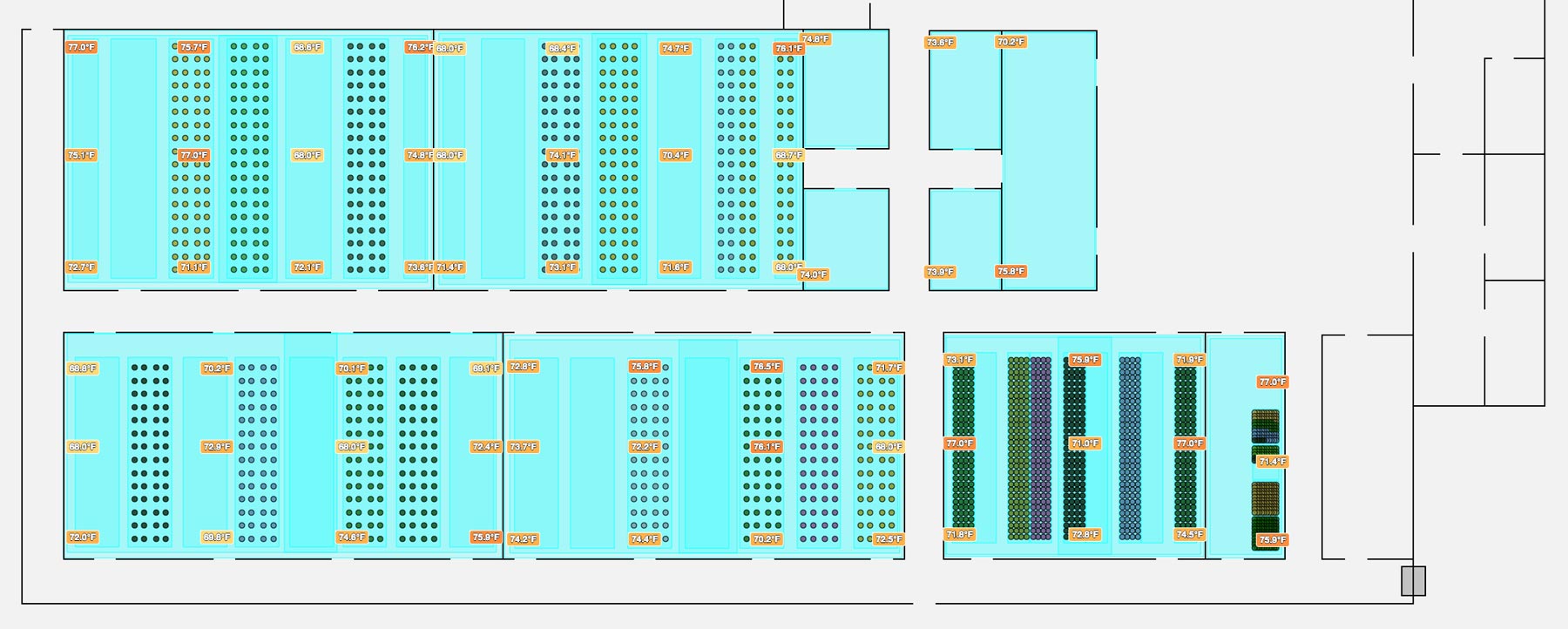
Sensors: T&RH x10 + Wet150 x6
Composite
GSI (Generative Steering Index)
One number: 1.0 to 10.0. Quantifies the vegetative-to-generative steering direction of your crop. The only composite steering metric in the industry. Built from all 6 inputs: DIF, dry-back, EC, VPD, WC, DLI.
Sensors: All 11
Capability Tiers
Hardware unlocks intelligence.
The more completely you instrument the room, the more completely you can understand and steer it. Add a sensor, gain another layer of useful intelligence. Nothing is hidden behind a software paywall.
💧
Irrigation Intelligence
🌡️
Climate Intelligence
☀️
Lighting Intelligence
CropVision Hardware
The hardware behind the understanding.
These are the sensors, controllers, and specialty tools that expand what CropVision can help you understand. Hardware is scoped to your facility size, zone layout, and steering goals.
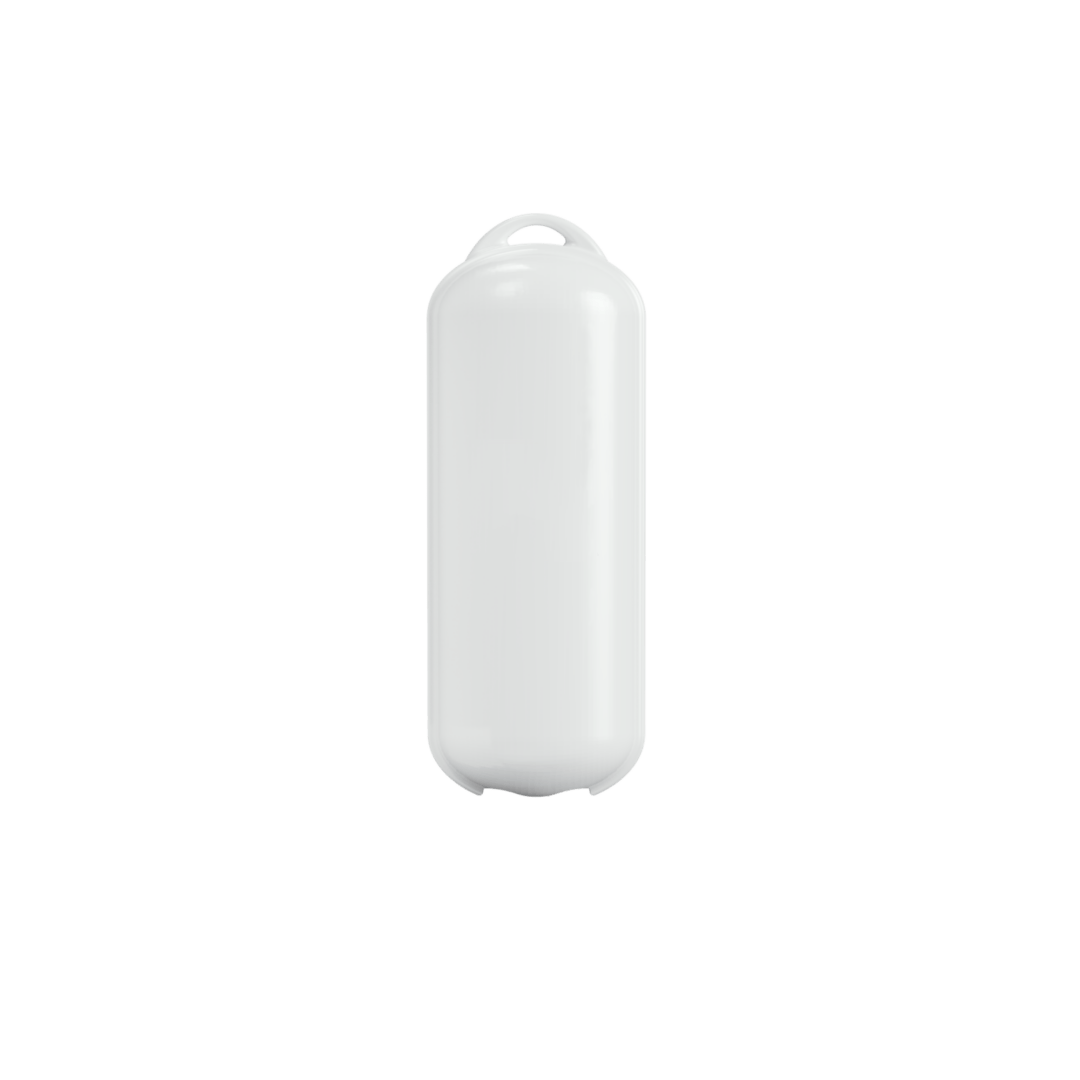
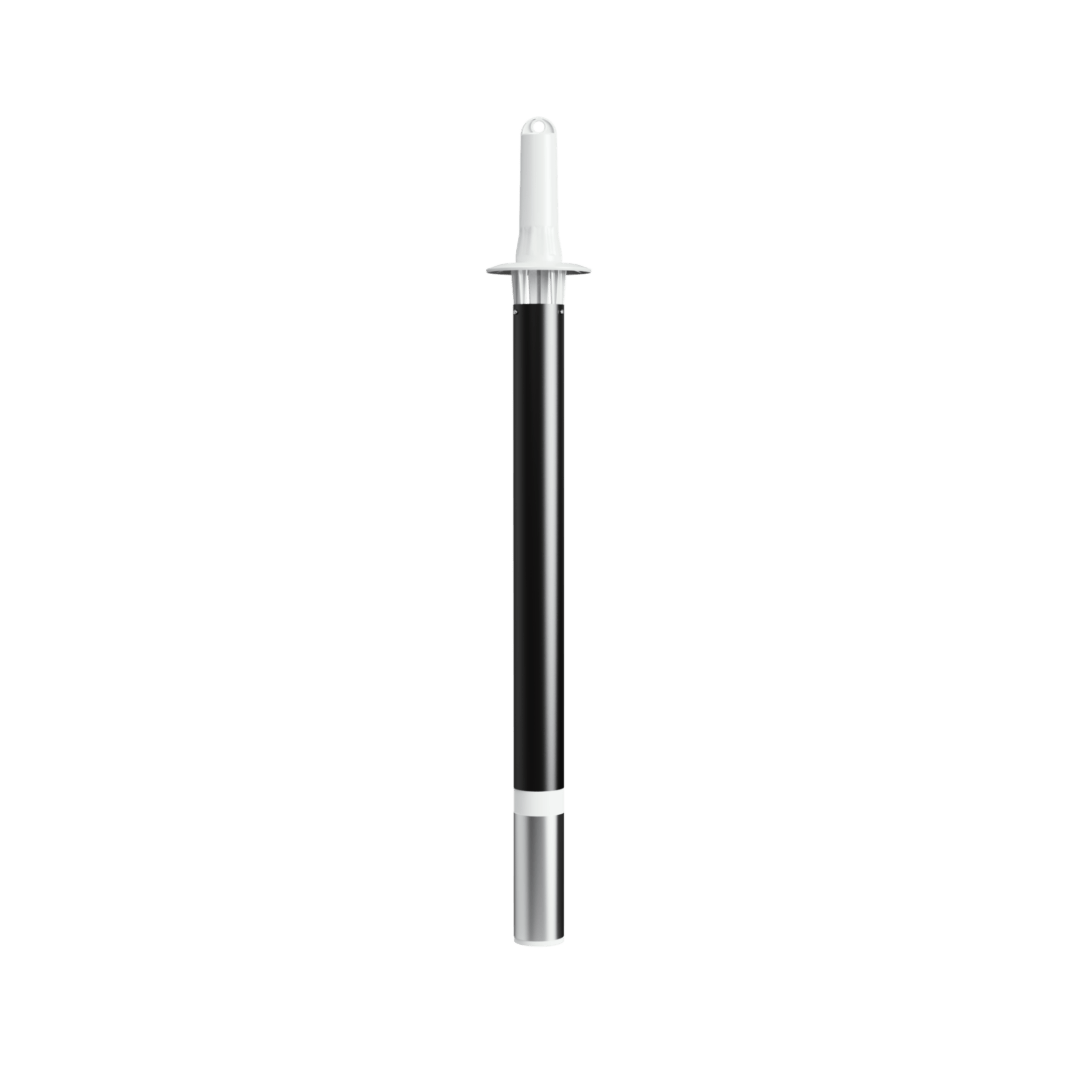
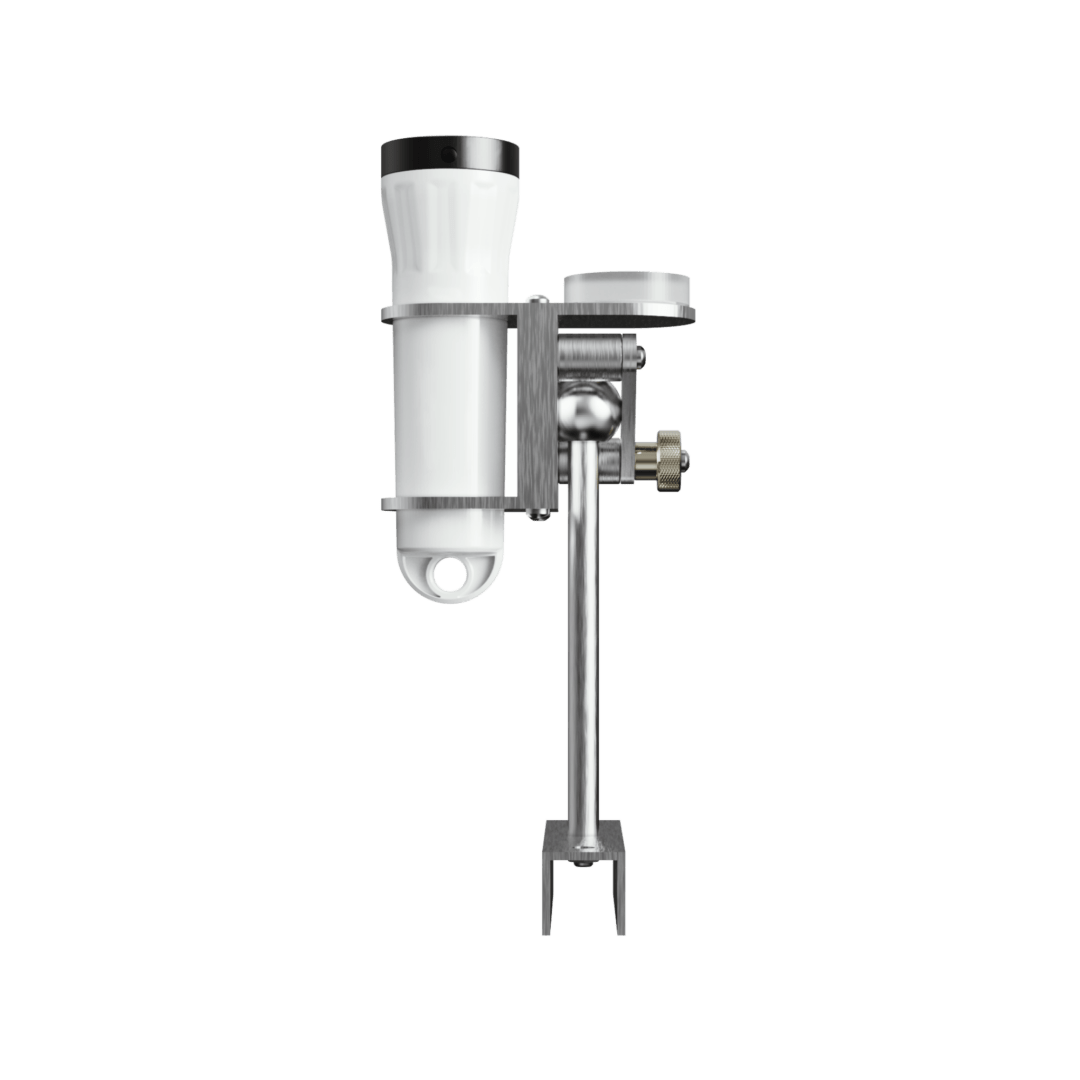
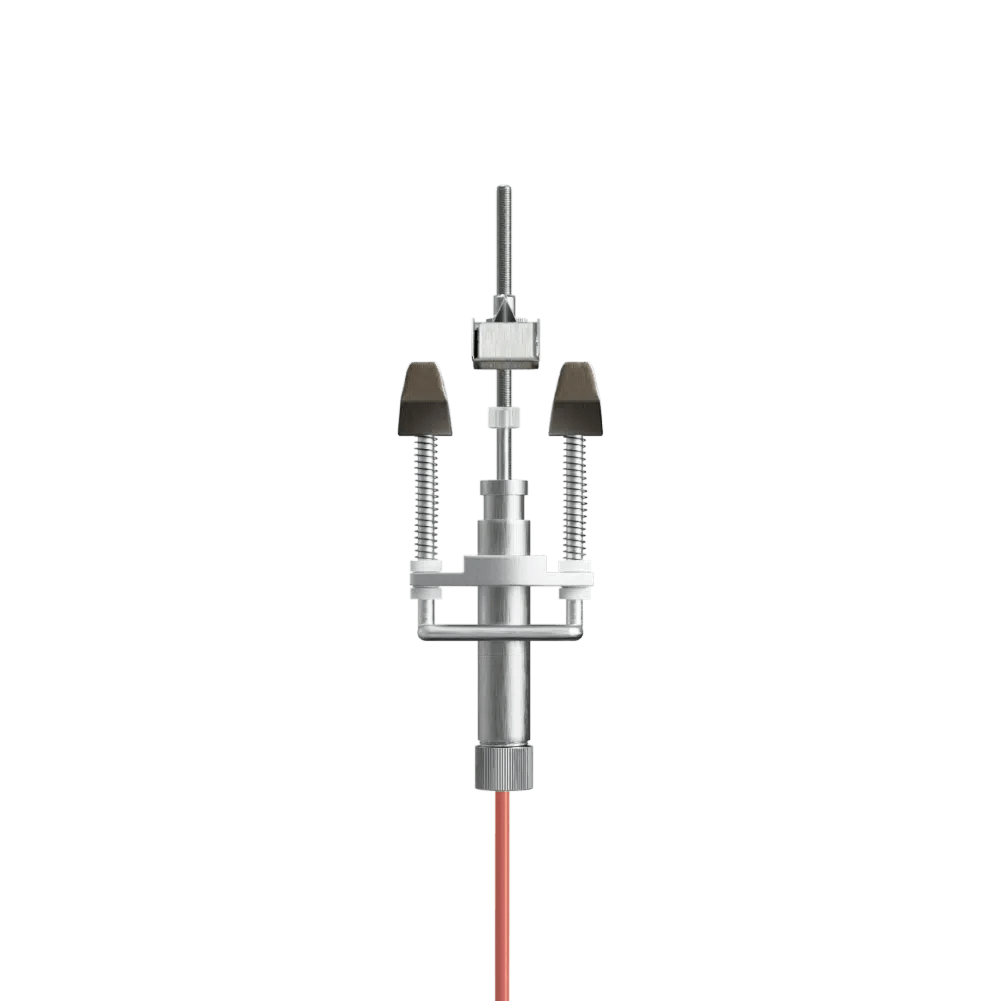
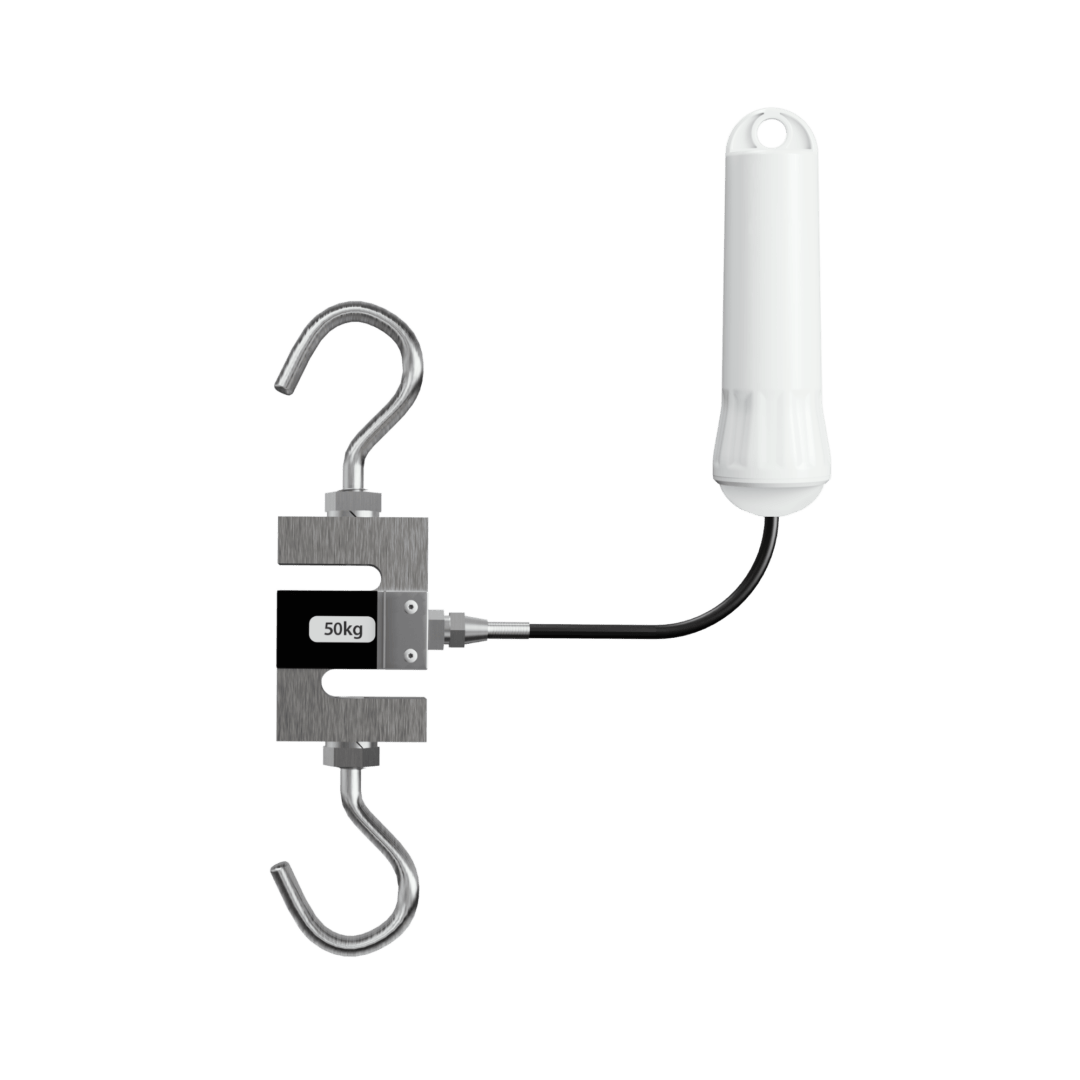
Environmental Sensors
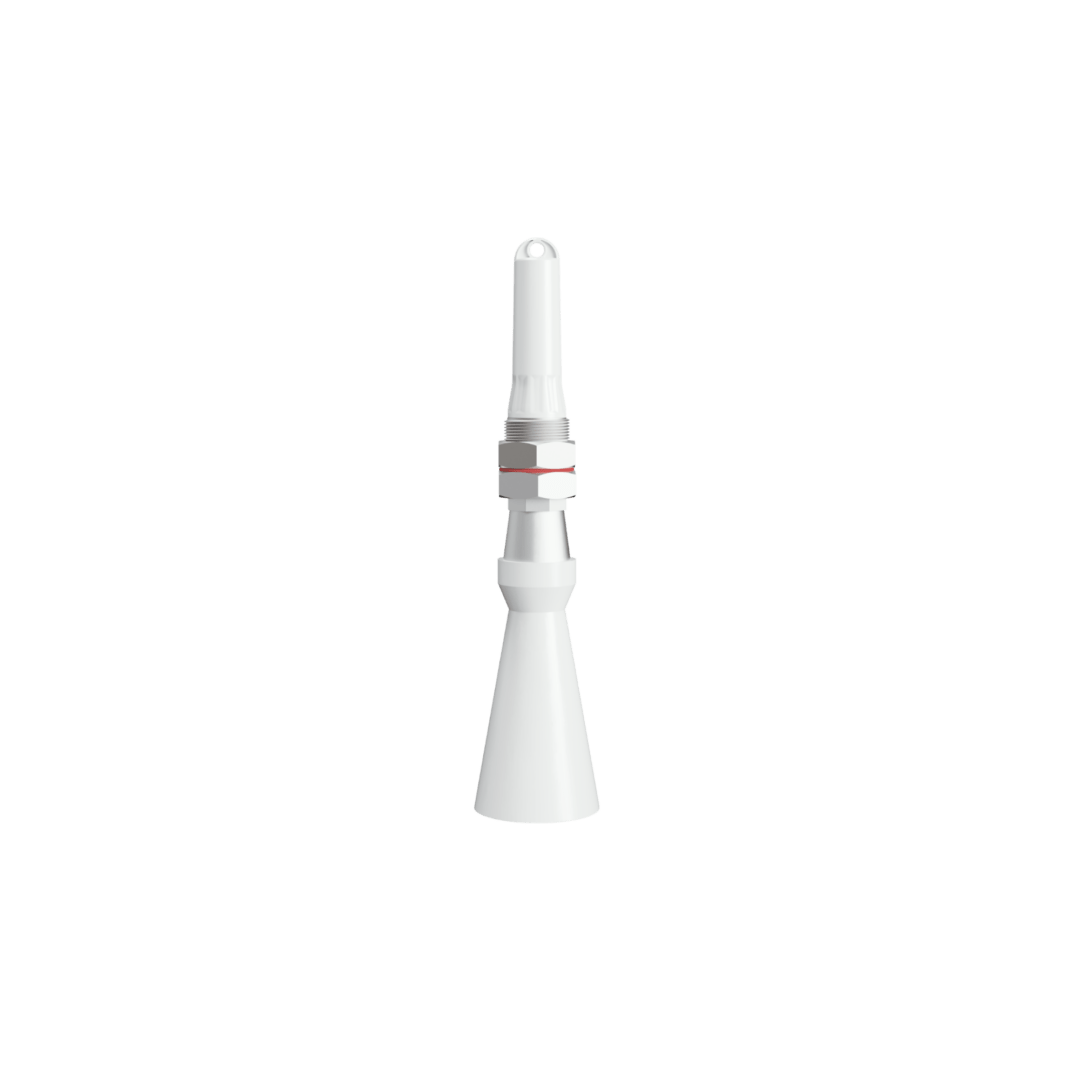
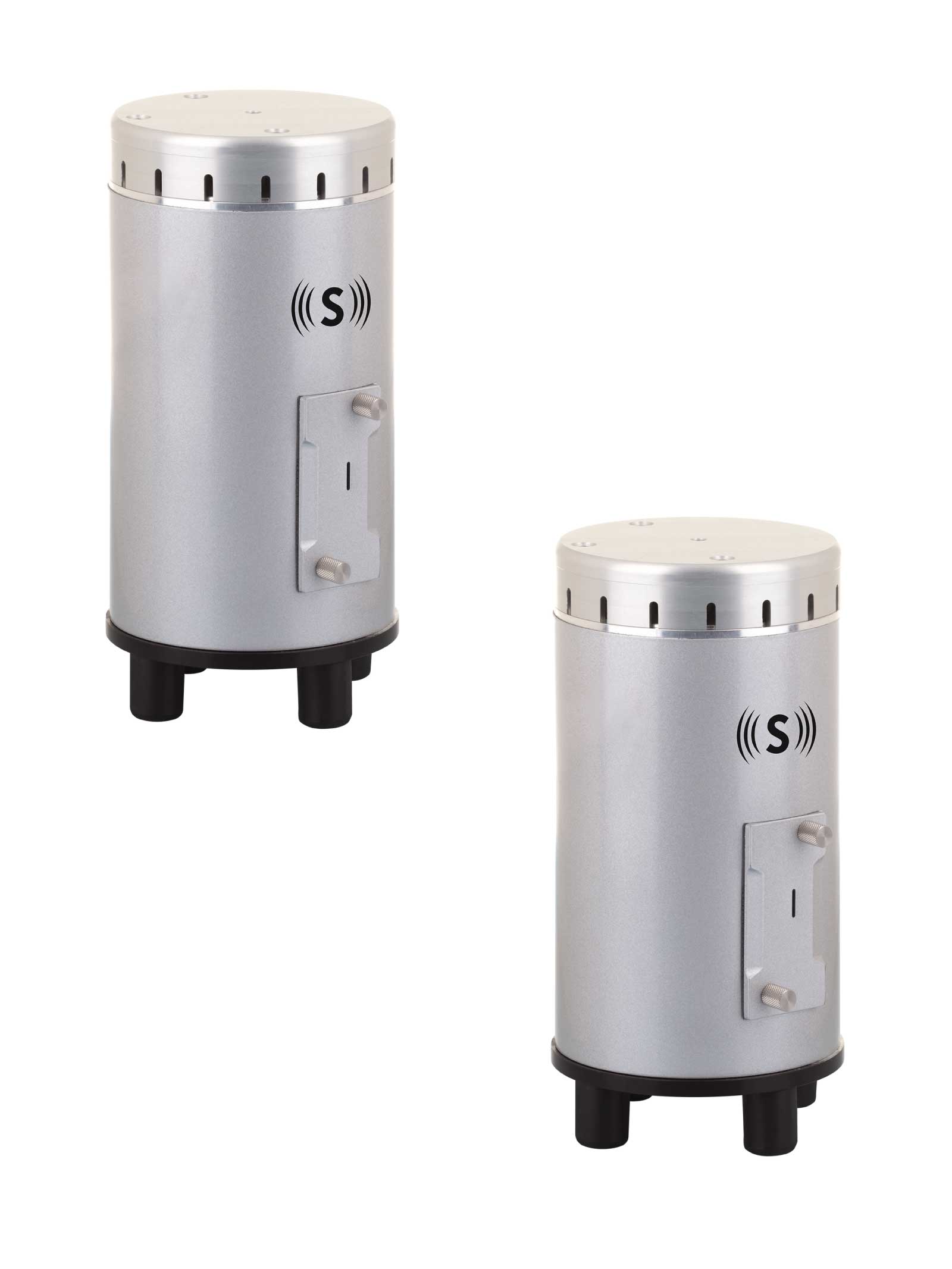
Use these to understand canopy climate, air movement patterns, CO₂ availability, and light distribution across the room.
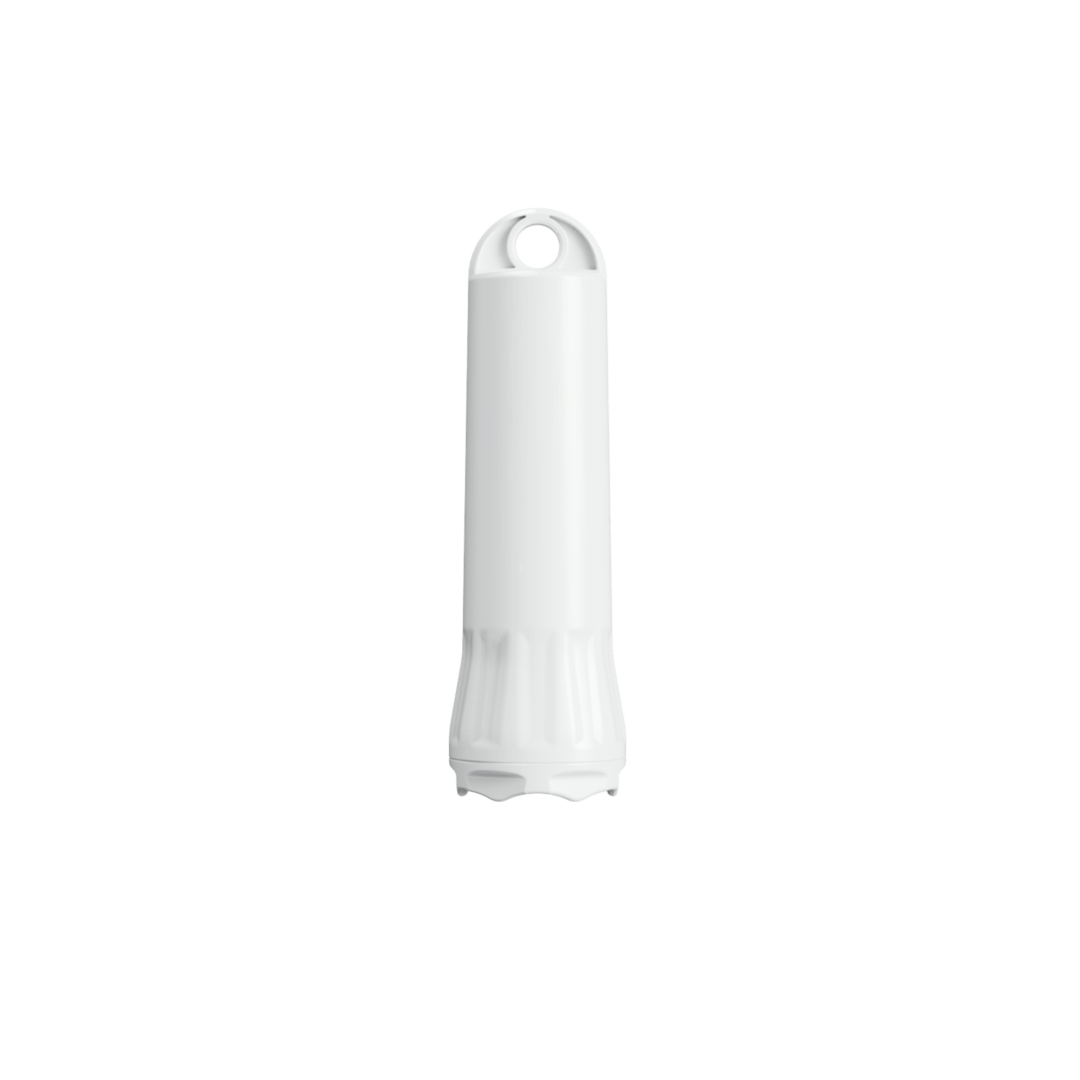
Substrate Sensors
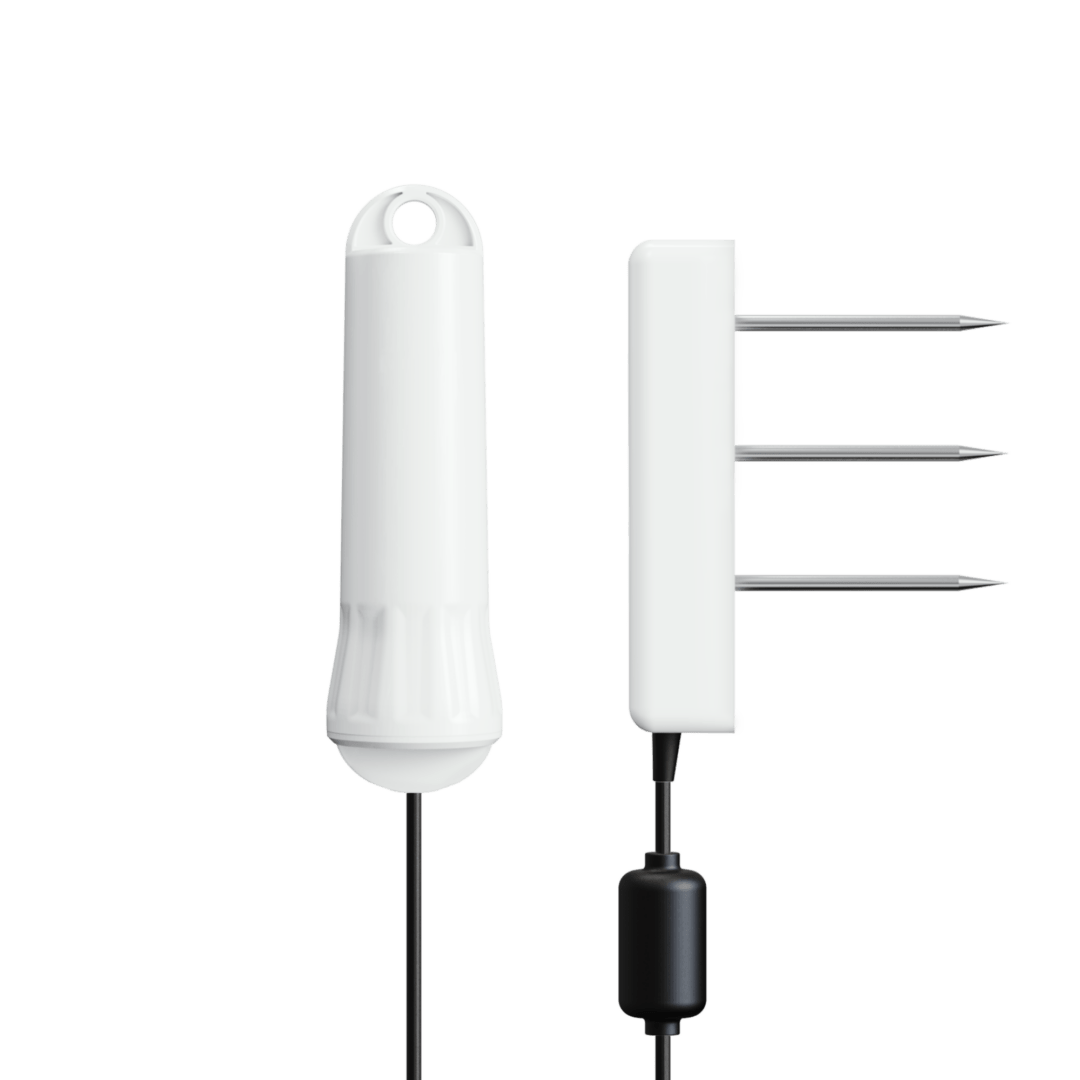
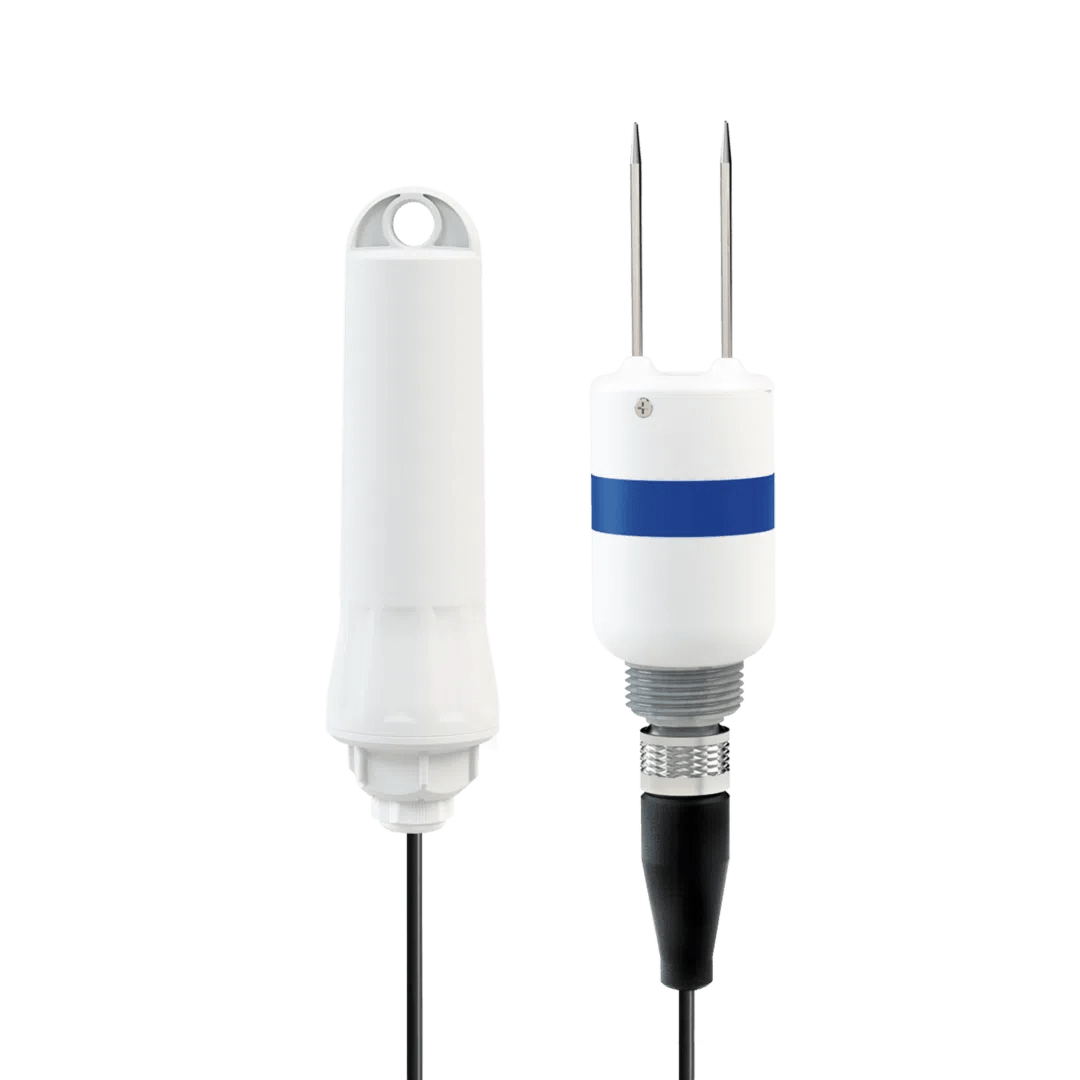
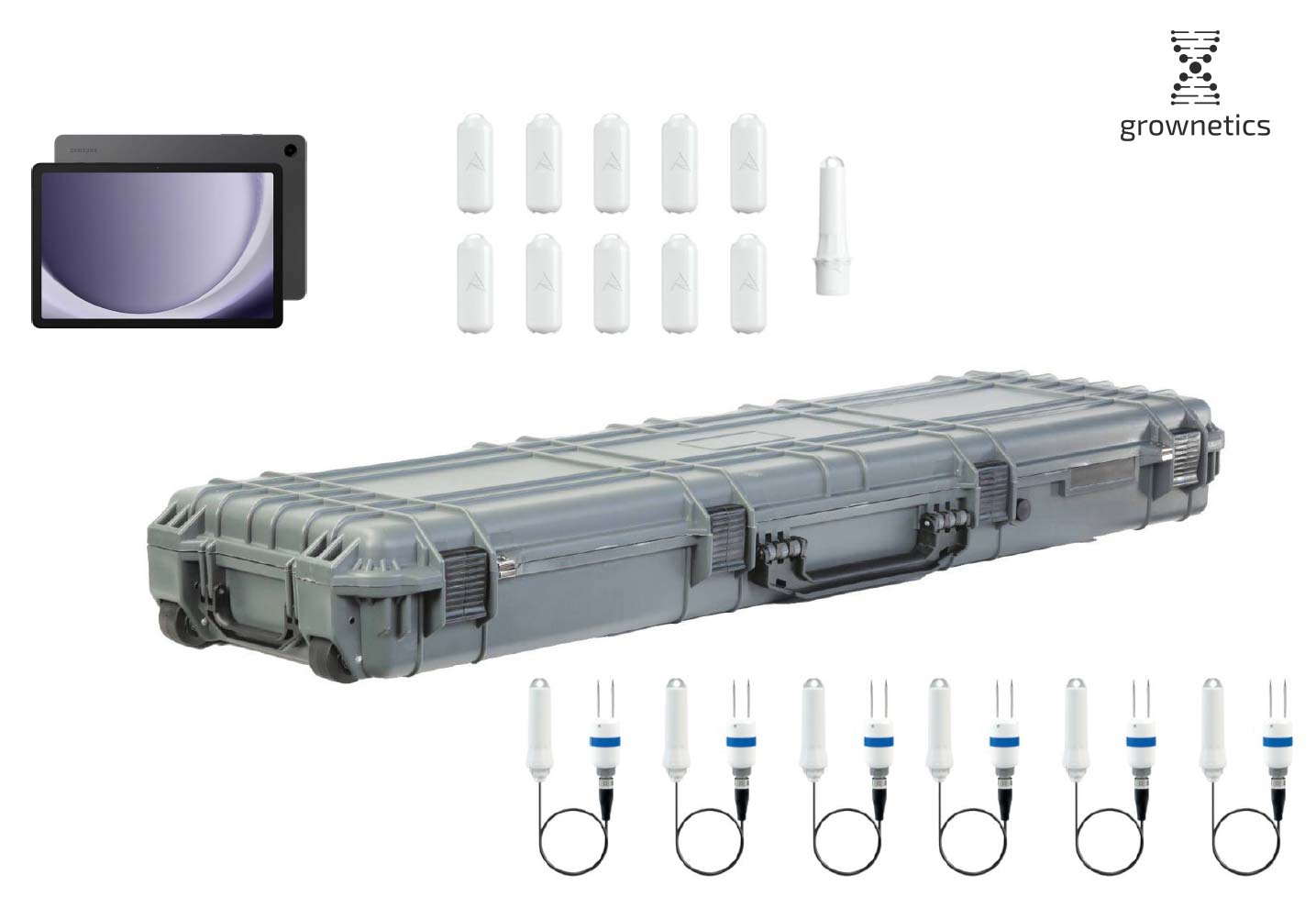
Use these to understand what is happening below the canopy: water content, EC, temperature, dry-back behavior, and root-zone consistency.
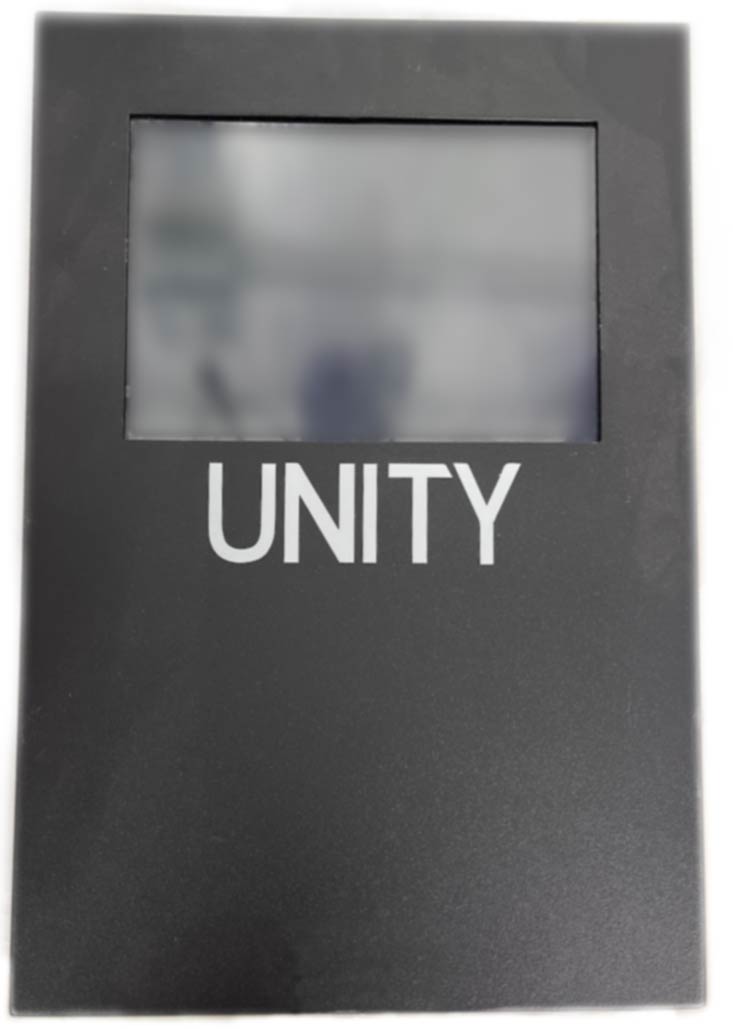
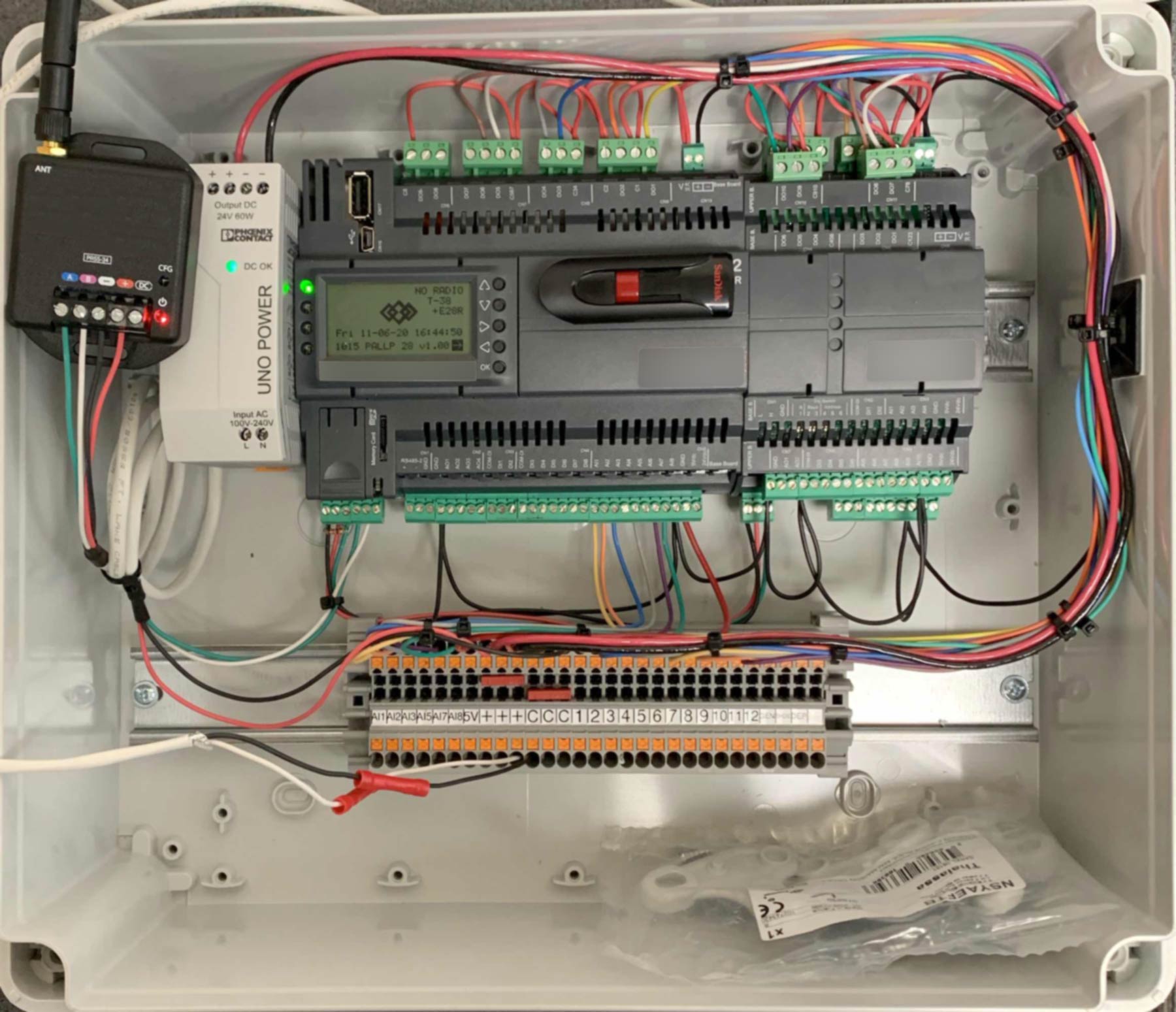
Automation & Controls
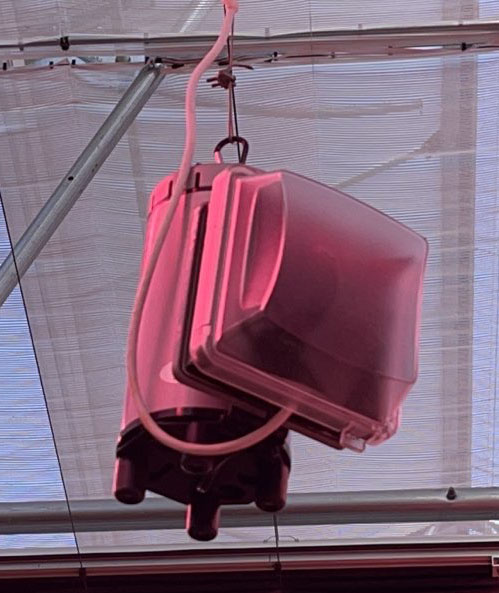
These are the control and execution layers that turn understanding into action across HVACD, lighting, drying, and greenhouse environments.
Specialty Sensors + Kits
Add these when you need more specialized visibility, diagnostics, or pathogen detection beyond the core monitoring stack.
Need a custom sensor or automation package for your facility?
We scope hardware to your room count, zone layout, and cultivation goals. Every quote includes deployment support.
Energy rebates available for high-efficiency controls in select markets.
Get a Custom Quote →Know what you need before you buy.
Use the catalog to see what each sensor and controller unlocks. Then talk with us about the right configuration for your facility, your steering goals, and your rollout path.